Choosing the right approach to finding serenity: a picture of paradise starts with clear context, practical filters, and realistic expectations.
Introduction to Paradise
A picture of paradise is more than just a visual representation; it's an emotional and psychological escape from the stresses of everyday life. The concept of paradise has been a universal human aspiration, symbolizing a state of ultimate bliss, peace, and happiness. Whether it's a tropical island, a lush forest, or a serene mountain landscape, these images have the power to inspire, heal, and uplift us.
The Meaning of Paradise
The idea of paradise varies across cultures and religions, but at its core, it represents a perfect world, free from suffering, pain, and conflict. In many belief systems, paradise is seen as a reward for a virtuous life, a place where the soul finds eternal peace and happiness. However, the concept of paradise is not limited to religious contexts; it can also be understood as a personal and subjective experience, a feeling of being in a perfect state of mind and body.
Creating a Picture of Paradise Artists, photographers, and designers often strive to capture the essence of paradise in their work, using vibrant colors, soothing textures, and idyllic compositions to evoke feelings of serenity and wonder. From the majestic landscapes of the Grand Canyon to the tranquil beauty of a Japanese garden, these creations have the power to transport us to another world, if only for a moment. The process of
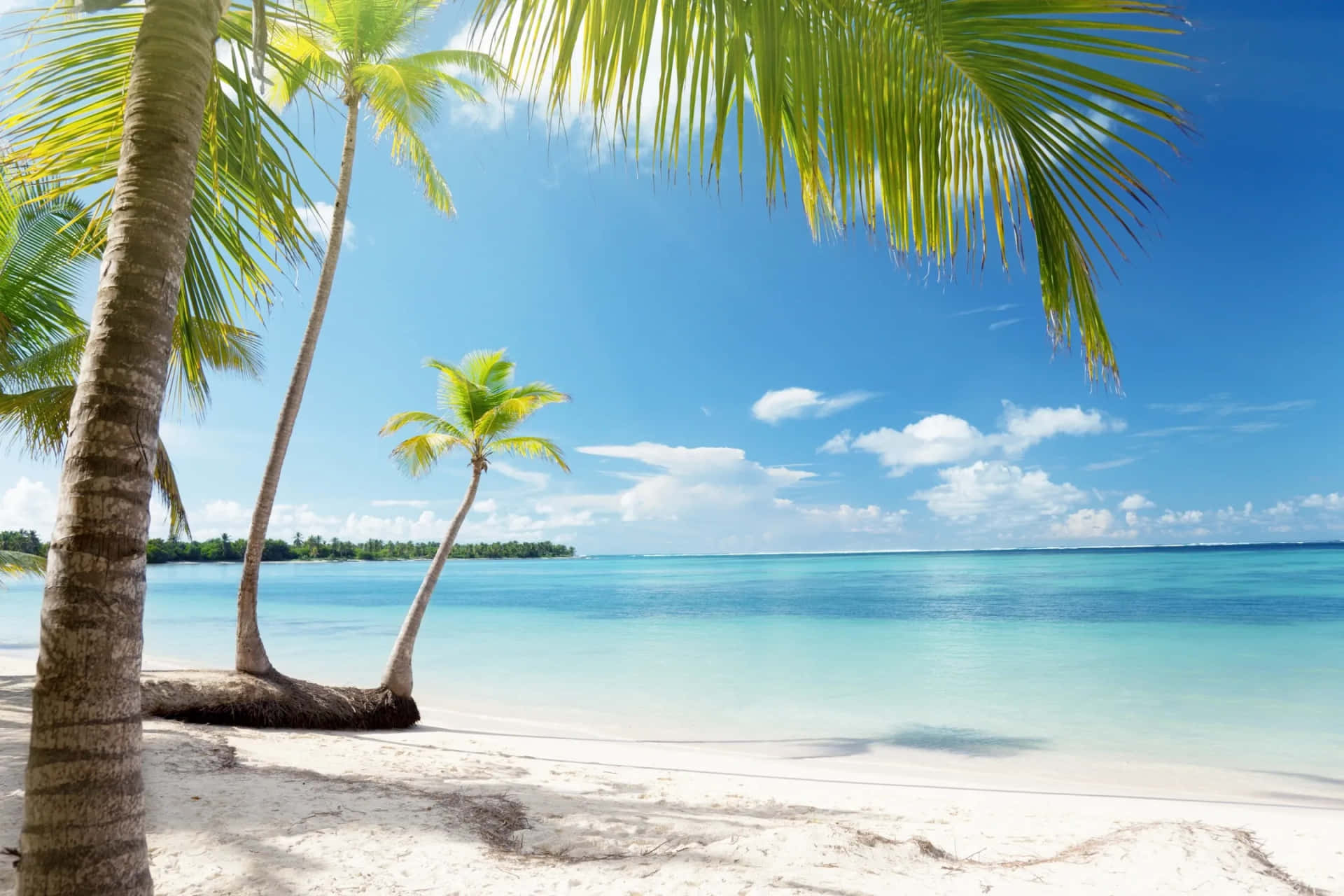
creating a picture of paradise requires a deep understanding of the human psyche, as well as a mastery of technical skills to convey the intended emotions and atmosphere.
The Role of Nature Nature plays a significant role in our perception of paradise,
with its vast array of landscapes, flora, and fauna providing endless inspiration for artists and designers. From
the towering mountains to the deepest oceans, nature has the power to awe and humble us, reminding us of our place in the world and the beauty that surrounds us. The incorporation of natural elements in a picture of paradise can help to create a sense of authenticity and connection to the environment.
The Impact of Paradise on Our Well-being Exposure to images of paradise has been shown to have a positive impact on our mental and emotional well-being, reducing stress levels, improving mood, and promoting relaxation. This is often referred to as the "paradise effect," where
the brain responds to the visual cues of a peaceful and serene environment, triggering a range of physiological and psychological benefits. By surrounding ourselves with pictures of paradise, we can create a more conducive environment for rest, recreation, and self-reflection.
Practical Applications of Paradise Imagery The use of paradise imagery is not limited to personal decoration or artistic expression; it also has
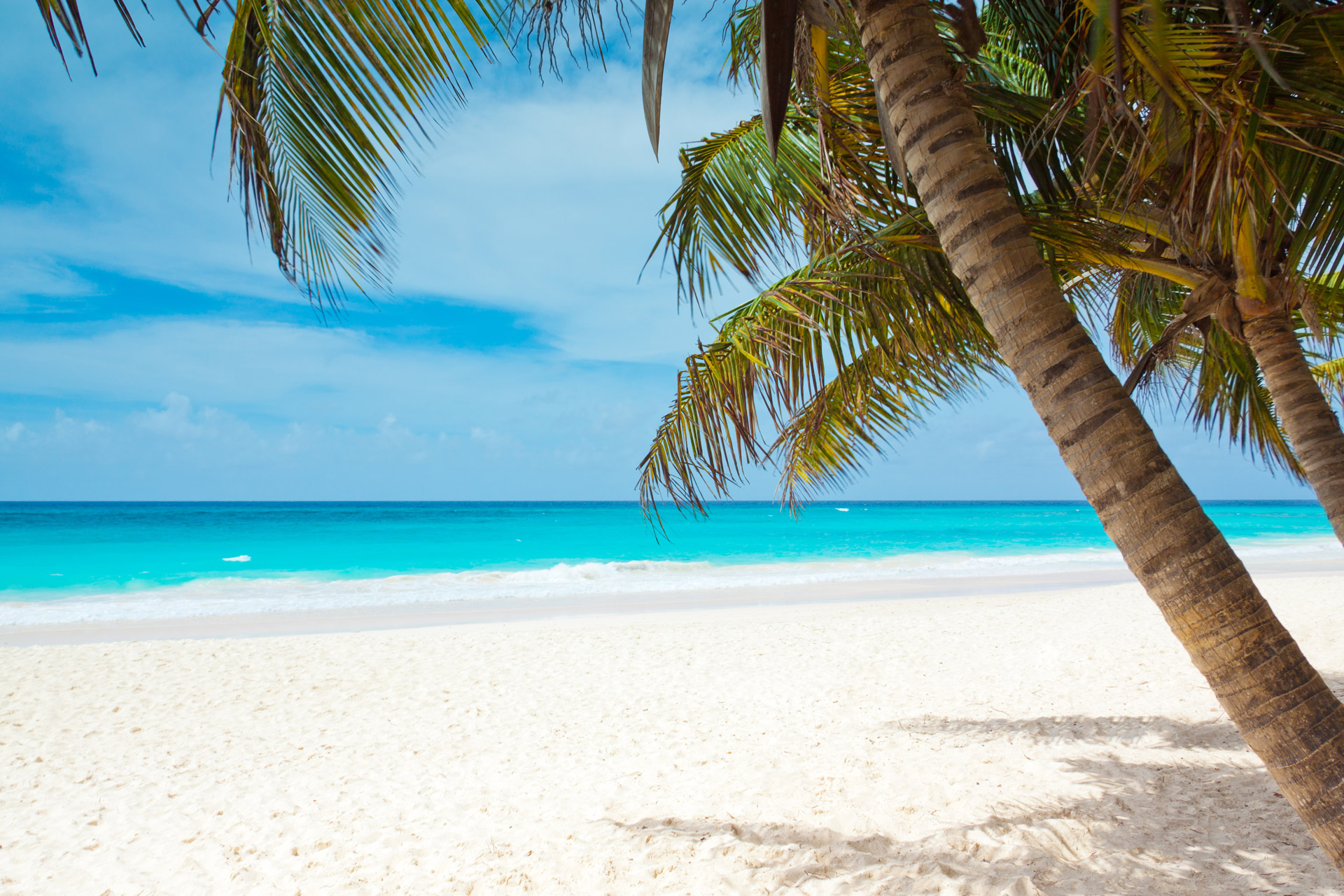
practical applications in fields such as therapy, marketing, and interior design. For example, hospitals and healthcare facilities often use nature-inspired artwork to create a calming atmosphere, reducing patient anxiety and promoting recovery. Similarly, companies may use images of paradise in their advertising campaigns to evoke feelings of relaxation and happiness, associating their brand with a sense of well-being and tranquility.
Common Mistakes in Creating a Picture of Paradise
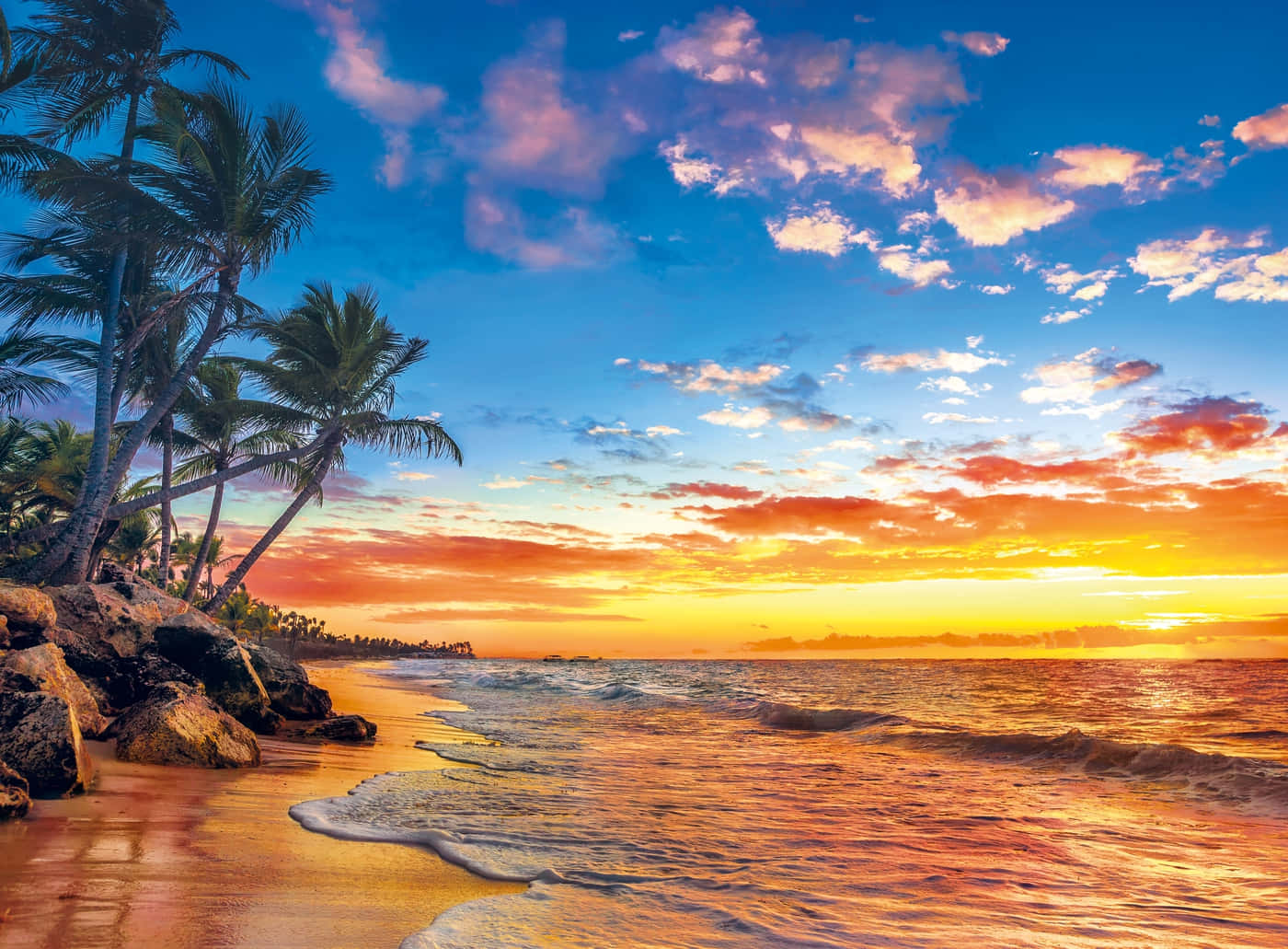
While creating a picture of paradise may seem like a straightforward task, there are several common mistakes to avoid. One of the most significant errors is the overuse of clichés and stereotypes, such as palm trees, sunsets, or beaches, which can come across as generic and unoriginal. Another mistake is the lack of attention to detail, failing to consider the emotional and psychological impact of the image on the viewer. By avoiding these mistakes and focusing on authenticity, creativity, and emotional resonance, we can create pictures of paradise that truly inspire and uplift us.
Tools for Creating Paradise Imagery For those interested in creating their own pictures of paradise, there are several tools and software available, including:
- Adobe Photoshop
- SketchUp
- Autodesk Maya
- Blender
- Canva
These tools offer a range of features and functionalities, from photo editing and manipulation to 3D modeling and animation, allowing users to bring their vision of paradise to life.
Conclusion
A picture of paradise is more than just a visual representation; it's an emotional and psychological escape from the stresses of everyday life.
By understanding the meaning, creation, and impact of these images, we can harness their power to inspire, heal, and uplift us. Whether through art, design, or personal reflection, we can create our own pictures of paradise, cultivating a sense of serenity and well-being in our lives.